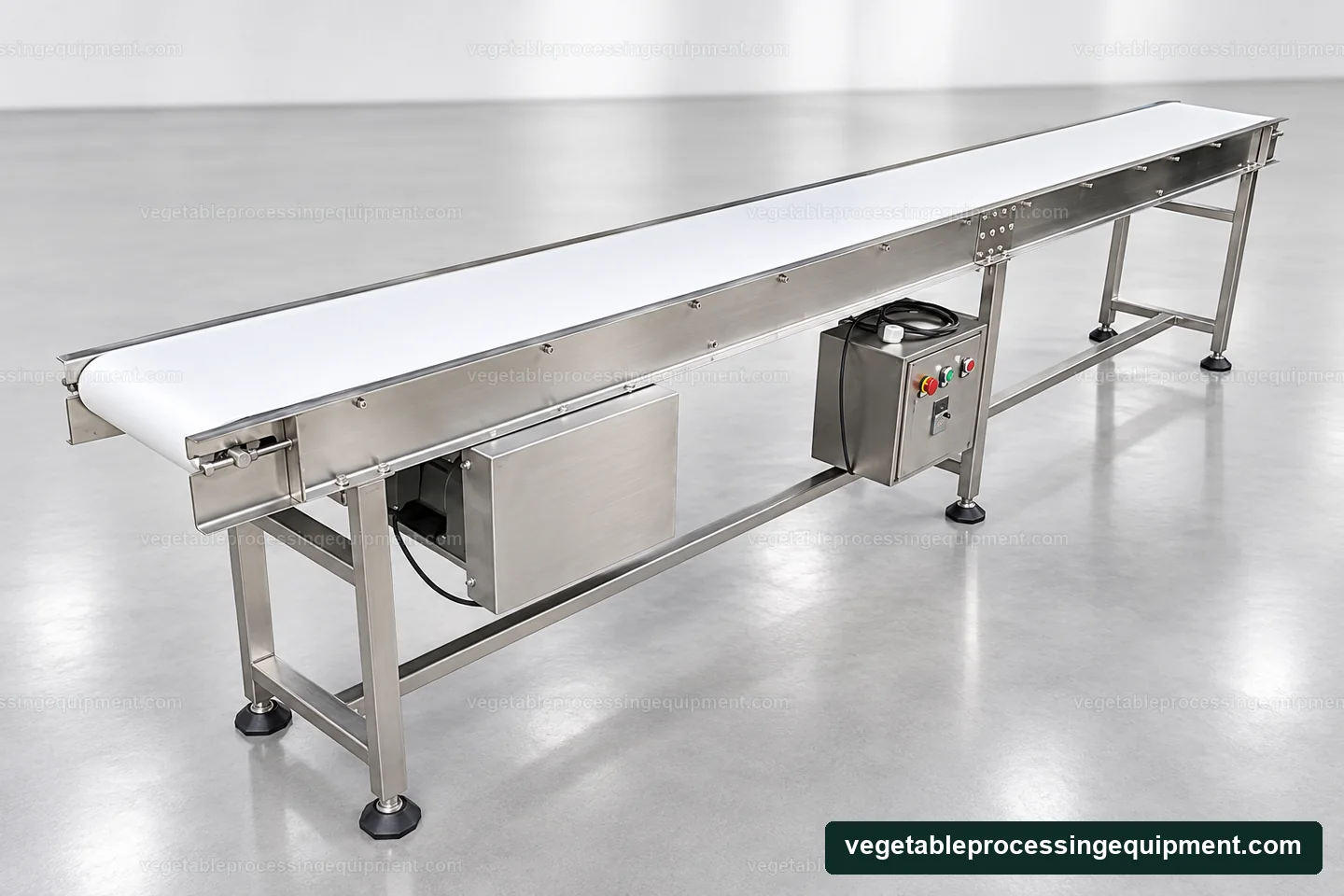
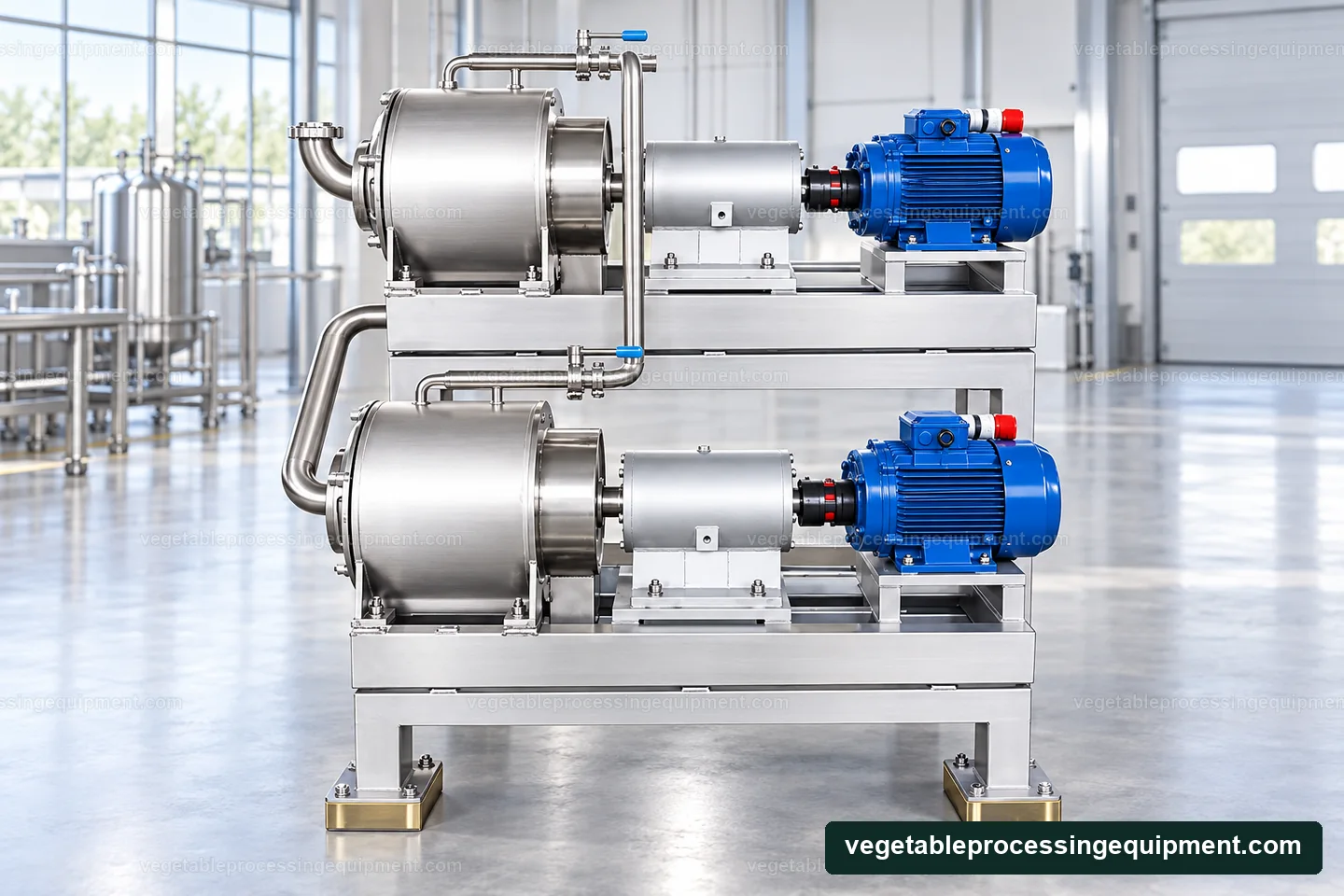
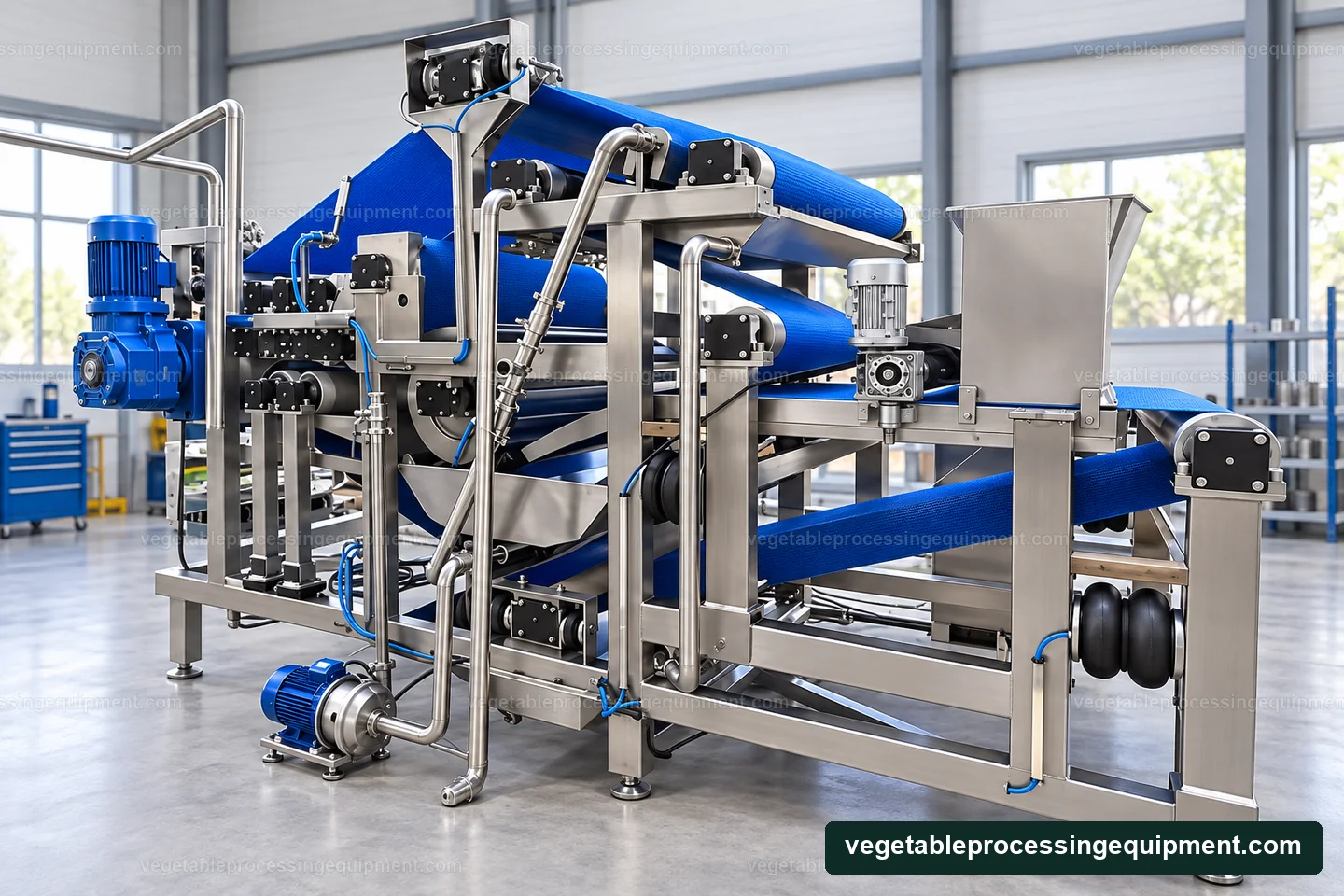
Cutting is a separate preparation duty. The current range lists conveying, washing, pressing and pulping but not a dedicated cutter. Define the cut and feed condition before selecting the downstream machine; a pulper or press cannot correct an inconsistent feed.
Define the target particle, not just the cut name
A dice, slice or mash is not a complete specification. State the target dimensions or particle range, the acceptable share of fines and the feed temperature. The downstream press, pulper or filler sees the result, not the cut name on the drawing.
Match the machine to the feed
Firm roots, fibrous vegetables and leafy material behave differently in a knife, impeller or crushing head. Hard pieces may need a two-stage reduction; soft material may smear or foam. Capacity depends on the cut, the feed size and the acceptable temperature rise, so a single hourly figure cannot be transferred between products.
Control damage and temperature
Blunt tooling, tight gaps and excessive speed add friction and heat. Oxidation, colour change and foam may follow. A trial should record the cut quality, temperature rise and any fines, then compare the result with what the press or pulper needs.
Sanitation and changeover
Cutting equipment is open or semi-open and creates new food-contact surfaces. Guards, blades, shafts and discharge chutes need safe access for cleaning and inspection. Define the changeover procedure and how foreign-body risk from blades and fasteners is controlled.
What to send for a quotation
Send the vegetable, incoming size, required cut and tolerance, throughput basis, feed temperature, the next machine and the available floor space. A sample of the proposed feed and a photograph of the existing connection point help more than a general description.
What to prepare
before the quotation.
- Name the cut: slice, dice, shred, crush or mash
- State the target particle size and tolerance
- Give feed temperature and allowable temperature rise
- Match the cut to the press or pulper inlet
- Plan blade change, guarding and cleaning access