- Separate field debris, surface soil and defective tissue before comparing machines.
- Describe the usable material that must survive trimming, peeling and cutting.
- Fix the target feed for juice, puree or sauce before choosing a washer or extractor.
- Write the preparation boundary into the enquiry so adjacent duties are not assumed.
Compare soil and field debris, not just the vegetable name
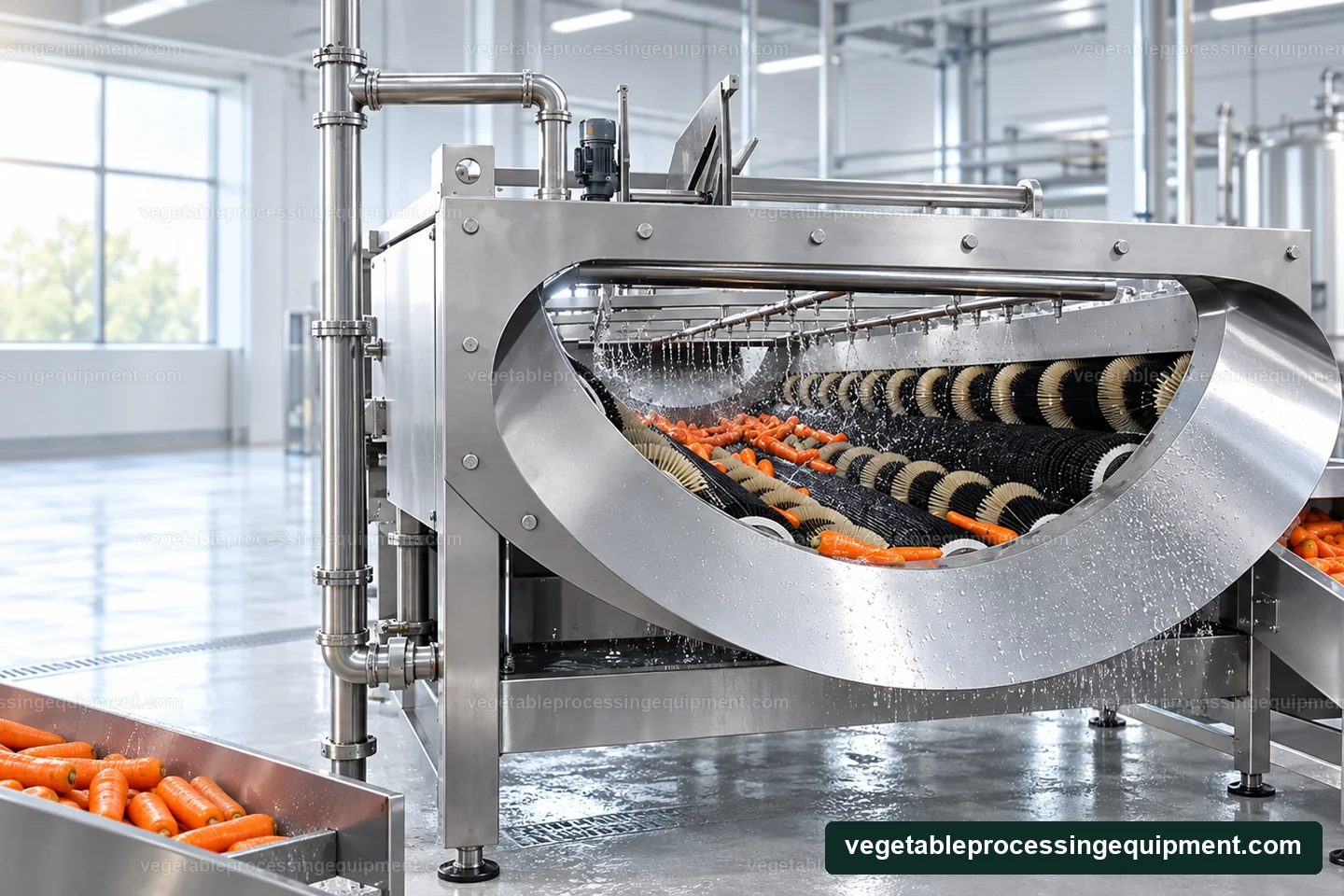
Root vegetables usually reach the plant with soil attached to the surface and, depending on harvest practice, stones and field debris mixed into the load. Leafy vegetables bring sand, damaged leaves and stems, while fruiting vegetables may arrive with calyxes, stems, dust and occasional spoiled fruit. These are different separation problems. A brush bed that turns root crops can damage delicate leaves, and a water flume that carries one product may not remove sticky soil from another.
The FAO technical manual on small-scale fruit and vegetable processing treats raw-material quality and preliminary operations as separate subjects, which is a useful discipline for equipment selection: the incoming material must be described before the process is chosen. The FAO juice-processing principles go further on water. Dry pre-cleaning, brushes or air jets can reduce the water used before washing, and the same source warns that poorly performed washing can increase contamination rather than reduce it. Equipment and water sanitation therefore belong in the same discussion as soil removal. FAO technical manual FAO juice processing principles
A practical incoming-material brief records the vegetable or vegetable mix, the harvest and transport condition, visible soil, stones, damaged pieces, temperature and the time since harvest. It also states what the plant will reject before processing. That reject stream needs a destination. If stones are present, the brush washer should not be described as a destoner; a separate separation and drainage duty must be assessed.
Describe usable material after trimming
Preparation changes the mass that reaches extraction. Removing tops, roots, calyxes, peel, cores, seeds or damaged tissue creates a usable feed and one or more reject streams. The equipment quotation should identify which of these operations it covers. A washer can remove surface soil, but it does not decide how much peel or trim is acceptable, and it does not create a uniform piece size.
The target is a specification for the material entering the next machine: vegetable form, size range, temperature, surface condition and the maximum tolerable amount of undesirable tissue. For a puree, the feed may need to be softened or reduced to a size the pulper can accept. For juice, the press needs a mash that can be carried and squeezed without extruding unwanted skin or seed components. These are process requirements, not machine categories.
Trim and peel losses should be measured on a representative sample rather than guessed from a photograph. The same vegetable can behave differently with variety, maturity, growing conditions and storage time. A trial that weighs the incoming lot, the usable prepared material and each reject stream gives the project a defensible basis for capacity and waste handling. Without that record, a line can appear balanced on paper while the preparation room becomes the bottleneck.
State the cut or puree target before selecting the extractor
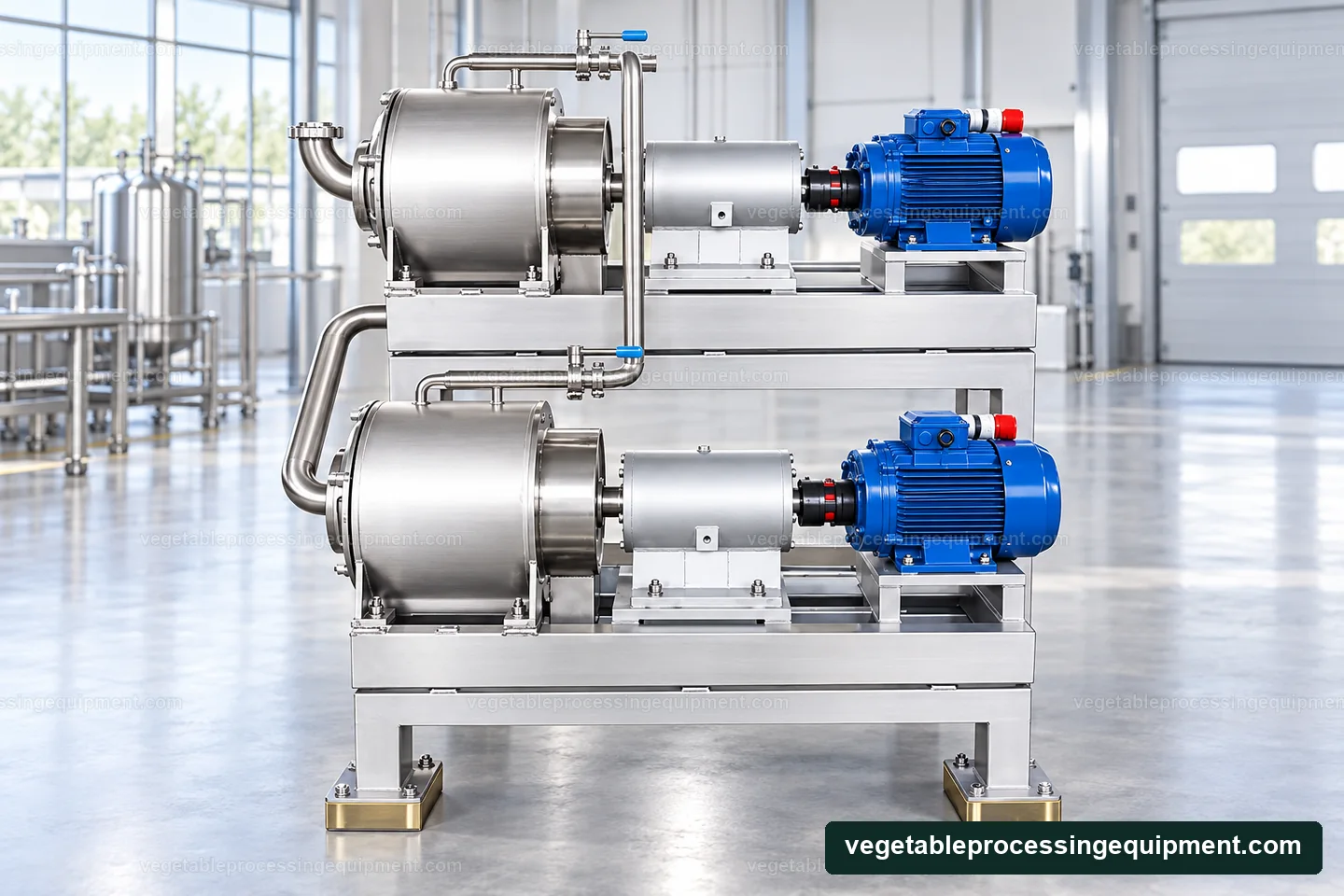
The FAO juice-processing chapter lists cleaning, sorting, peeling, size reduction, extraction, screening, heat transfer and packaging as distinct unit operations. That list is a warning against compressing the whole route into one machine name. Cutting and pulping are preparation or size-reduction duties; pressing and screening separate streams. A pulper can refine a prepared feed, but it is not a washer, a destoner or a sterilizer.
For a juice product, the preparation target is usually a consistent mash with a particle size that suits the press and does not blind the belt or release excessive undesirable solids. For a puree or sauce, the target may be a softened feed with a defined maximum particle size before screening. For a chunky product, the largest particle may need to survive transfer, heating and filling. Each target changes the acceptable cut and the equipment boundary.
This is also where a vegetable-specific trial matters. A carrot may need different preparation from a pumpkin or a pea, and a fibrous vegetable may behave differently from a starchy one. The trial should record the feed form, temperature, time and the screens or belts used. A result obtained with a laboratory sample is not automatically a production guarantee, but it is a better starting point than an assumed yield.
Map the preparation equipment boundaries
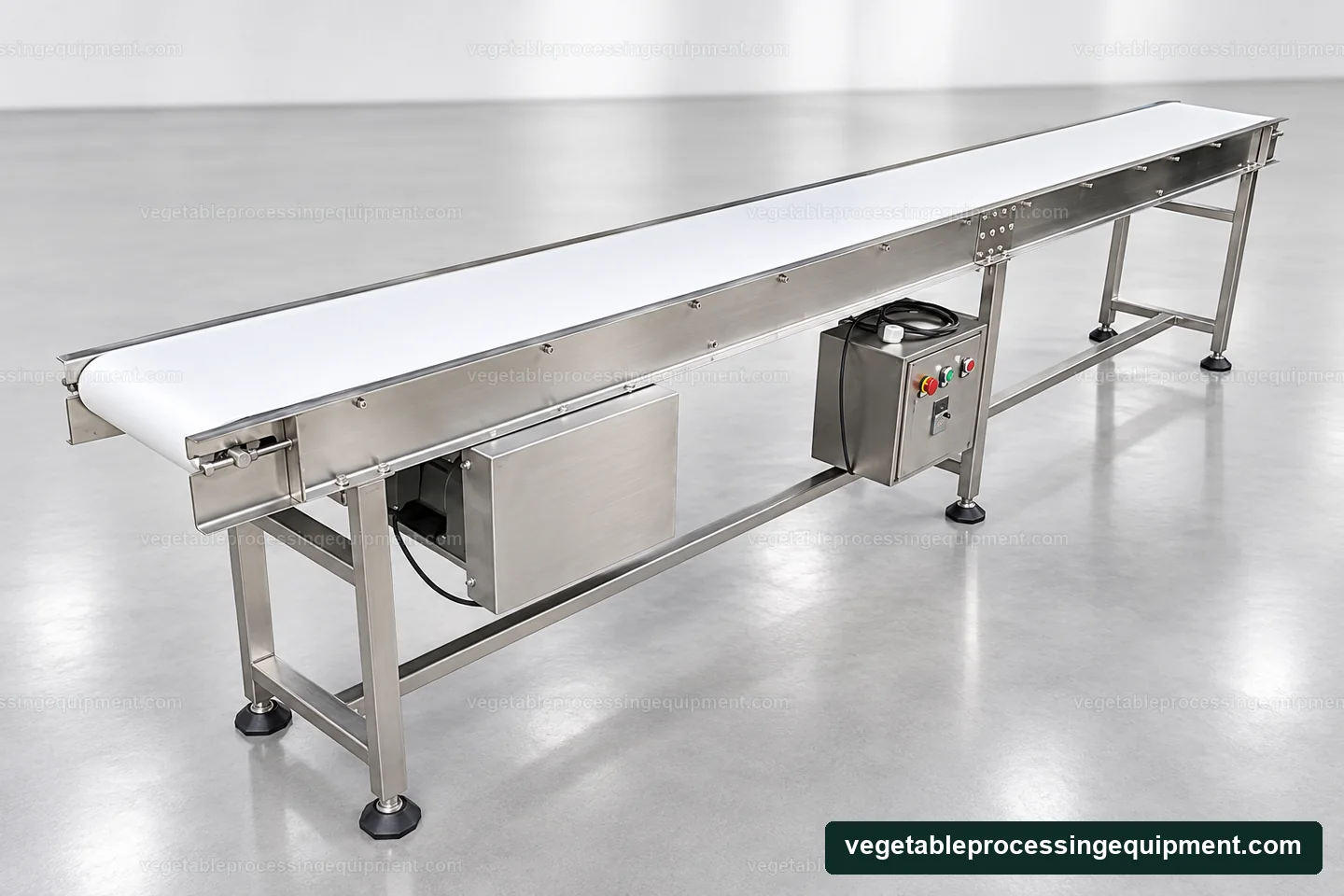
A useful preparation map has six columns: receive, dry clean, wash, sort and trim, peel if required, and reduce size or soften. Under each column, name the actual machine or manual station, the material it receives, the streams it produces and the condition it must deliver to the next step. This exposes gaps. If no destoner is listed, stones must be removed somewhere else or the wash duty is incomplete. If no cutter is in scope, the pulper or press cannot be assumed to accept whole produce.
The map also clarifies cleaning. Open conveyors, brush beds, inspection tables, cutting equipment and work surfaces are not cleaned by a closed CIP circuit. They need their own access, disassembly and sanitation procedure. A CIP system can serve compatible closed tanks and pipework, but it does not reach every open preparation surface. The sanitation plan should follow the physical layout rather than the sales category.
Finally, write the boundary into the enquiry. State which preparation steps are installed, which are being purchased and which remain the buyer’s responsibility. Ask the supplier to name the feed and output basis for each machine, the tests used for acceptance and the utilities and drains required. A preparation line is credible when the handovers are explicit, not when every stage is given the same broad label. UNIDO processing guide
Primary guidance used
- FAO, Technical manual on small-scale processing of fruits and vegetables (1997) Food and Agriculture Organization of the United Nations
- FAO, Principles and practices of small- and medium-scale fruit juice processing, Chapter 6 Food and Agriculture Organization of the United Nations
- UNIDO, Small-scale fruit and vegetable processing and products United Nations Industrial Development Organization
External sources are linked for reference. Their publication does not constitute endorsement of this site or of any equipment configuration.